
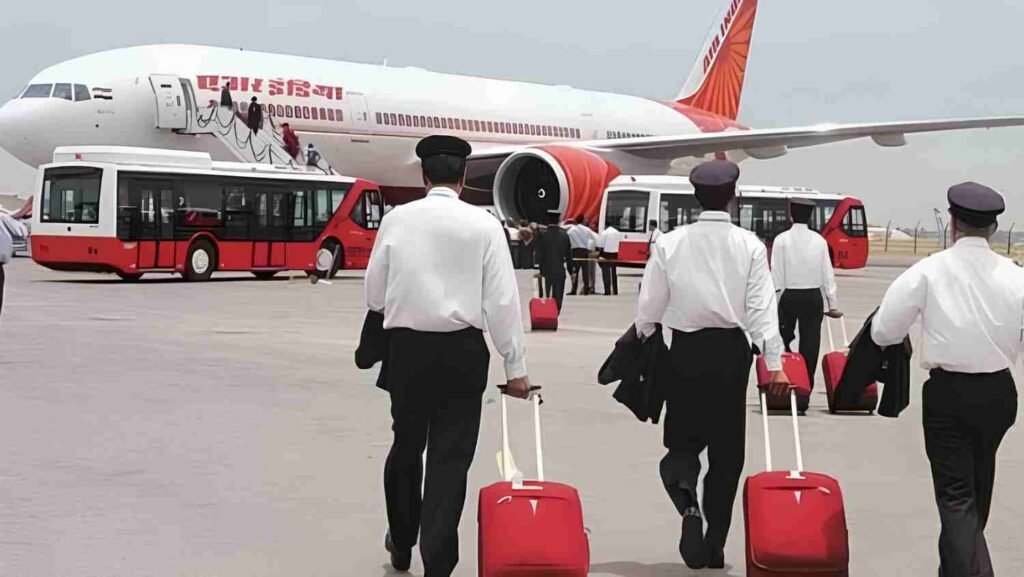
Air India flight AI173 is one of the airline’s key long-haul international connections, linking New Delhi’s Indira Gandhi International Airport with San Francisco International Airport in the United States. For passengers flying this route, keeping an eye on the ai173 flight status has become a routine part of trip planning, especially given the length of the journey and the number of variables that can affect an intercontinental flight. Weather patterns over the Pacific, air traffic congestion, and operational scheduling at either airport can all influence departure and arrival times, which is why frequent status checks give travelers a sense of control over an otherwise unpredictable travel day.
Unlike short domestic hops, a flight of this distance carries added complexity. Passengers often have connecting flights, hotel check-ins, or business meetings scheduled around their arrival window, so even a modest delay can ripple through the rest of their itinerary. This is precisely why monitoring the ai173 flight status before heading to the airport, and again during the flight window, has become second nature for frequent flyers on the Delhi-San Francisco corridor.
Route and Distance Covered by AI173
The AI173 service covers one of the longer nonstop routes operated by Air India, stretching across continents and time zones. The aerial distance between the two cities is substantial, translating into a flight duration that typically falls in the range of fifteen to sixteen hours depending on wind conditions and the specific flight path chosen by the crew that day. This duration is a major reason passengers pay close attention to the ai173 flight status well before boarding, since even small shifts in departure time can affect connecting transportation on either end.
Because the route spans such a vast distance, it passes through multiple weather systems and airspace jurisdictions. This means the aircraft may occasionally take slightly different paths to optimize fuel efficiency or avoid turbulence, which can influence the actual flight time reported once the journey is complete. Passengers who understand this variability tend to build extra buffer time into their travel plans rather than assuming a fixed, unchanging schedule every single day.
Aircraft Type and Cabin Configuration
Flights on this route are commonly operated using a wide-body aircraft suited for ultra-long-haul international travel. The cabin is generally structured into multiple service classes, giving travelers a range of comfort options depending on their budget and travel purpose. A typical configuration includes:
- A small first-class cabin with fully flat sleeper seating
- A business class section offering flatbed seats for rest during the long journey
- A larger economy cabin with standard reclining seats for the majority of passengers
This tiered seating approach reflects the mixed nature of the passenger base, which includes business travelers, students, and families visiting relatives across two very different parts of the world. When checking the ai173 flight status, many passengers also verify their seat assignment and cabin class ahead of time, since aircraft swaps can occasionally alter cabin layouts on long-haul international services.
Typical Departure and Arrival Timings
While exact timings can shift based on the day of the week and seasonal scheduling adjustments, AI173 generally departs New Delhi in the early morning hours and lands in San Francisco later the same day, accounting for the significant time difference between India and the U.S. West Coast. Because the flight crosses the International Date Line effectively in terms of time zones, passengers often experience an unusual sense of “gaining time,” landing many hours before their originally perceived departure moment.
Below is a general reference table summarizing typical scheduling details for this route. Actual times should always be confirmed through official airline channels closer to the travel date.
| Detail | Typical Information |
|---|---|
| Departure Airport | Indira Gandhi International Airport, Delhi |
| Arrival Airport | San Francisco International Airport |
| Approximate Flight Duration | 15 to 16 hours |
| Aircraft Type | Wide-body long-haul jet |
| Departure Terminal | Terminal 3, Delhi |
| Arrival Terminal | International Terminal, San Francisco |
Common Reasons Flight Status Can Change
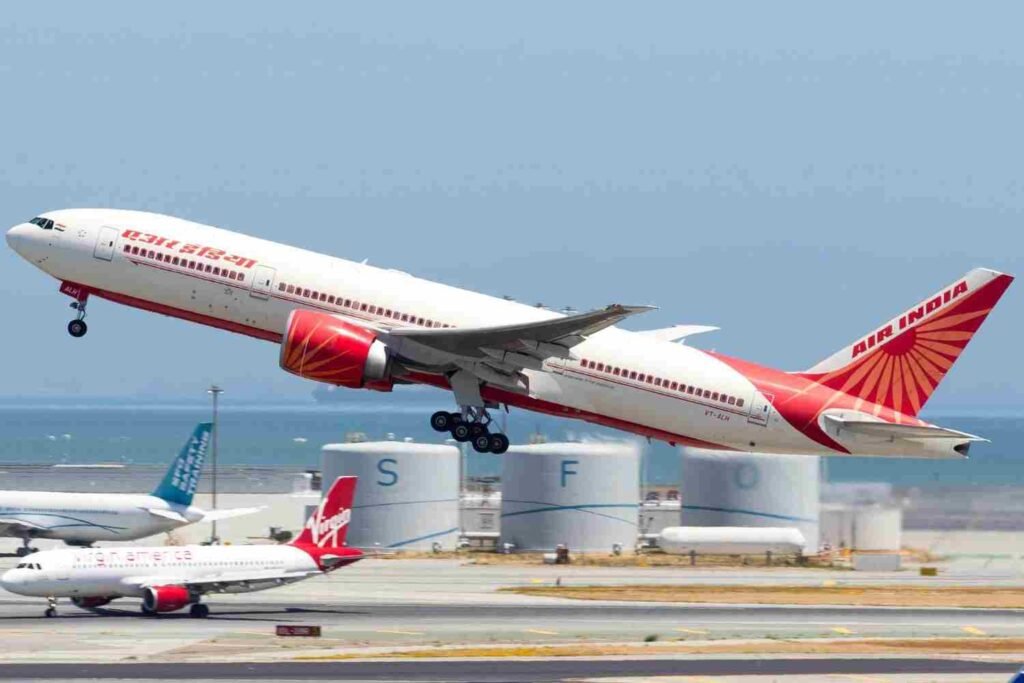
Long-haul international flights like this one are more susceptible to schedule adjustments than shorter regional routes. Several recurring factors tend to influence the ai173 flight status on any given day, and understanding them can help passengers set realistic expectations rather than feeling caught off guard by last-minute changes.
Weather Disruptions
Seasonal fog in northern India, particularly during winter months, is one of the most frequent causes of delays for flights departing Delhi. Similarly, storm systems over the Pacific route or near the U.S. West Coast can affect arrival timing. Airlines closely monitor these patterns and adjust departure slots accordingly to maintain safety standards.
Air Traffic Congestion
Both Delhi and San Francisco are busy international hubs, meaning runway slots and airspace availability can occasionally push departure or landing times later than originally scheduled. This is especially common during peak travel seasons when multiple international carriers are operating simultaneously.
Technical and Crew-Related Factors
Routine aircraft checks, crew duty-time regulations, and occasional technical inspections can also shift timings. Airlines prioritize safety over punctuality, so any technical delay, however minor, is treated with caution before the aircraft is cleared for such a long journey.
How Passengers Can Stay Updated Efficiently
Given the unpredictable nature of long-haul travel, having a reliable method for checking the ai173 flight status is essential. Most travelers rely on a combination of sources rather than a single channel, since real-time accuracy can vary slightly between platforms. A layered approach tends to work best for staying informed throughout the travel day.
- Checking official airline communication channels for direct notifications
- Using airport departure and arrival boards upon reaching the terminal
- Setting up mobile alerts tied to the specific flight number and travel date
- Confirming details with ground staff if any uncertainty arises close to departure
Combining these methods reduces the chances of being misinformed, particularly during periods of heavy air traffic or unusual weather when schedules are more likely to shift. Passengers who check status updates at multiple points, once the night before travel and again a few hours before departure, tend to experience far less stress than those who rely on a single early check.
Tips for a Smoother Long-Haul Experience
Beyond simply monitoring the ai173 flight status, there are practical habits that make the overall journey more comfortable. Long-haul international travel places physical and mental demands on passengers, so a bit of preparation goes a long way toward arriving refreshed rather than exhausted.
Plan Around Time Zone Differences
Since the route spans a considerable number of time zones, adjusting your sleep schedule a day or two before departure can ease jet lag significantly. Some travelers also choose to shift meal times gradually to align with the destination time zone before they even board.
Pack for Temperature Variations
Delhi and San Francisco often have very different climates, particularly during certain months of the year. Packing layers ensures comfort both at departure and upon arrival, especially since cabin temperatures during the flight itself can also fluctuate over such a long duration.
Stay Hydrated and Move Periodically
Long-haul flights of fifteen or more hours can be taxing on the body. Drinking water regularly and taking short walks through the cabin when permitted helps reduce fatigue and stiffness, making the eventual arrival feel less draining.
Keep Documents and Essentials Accessible
International travel between these two countries requires specific documentation. Keeping passports, visas, and any required health or customs forms in an easily accessible bag saves time and reduces stress during boarding and immigration processes.
Why Accurate Status Checking Matters More on This Route
Because AI173 covers such an extensive distance, the consequences of not checking the ai173 flight status can be more significant compared to shorter regional flights. A delay on a one-hour domestic route might cost a passenger a minor inconvenience, but a delay on a fifteen-hour international service can affect ground transportation bookings, hotel check-in windows, and even connecting flights on the other side of the world.
This is particularly true for business travelers with tightly scheduled meetings or family travelers coordinating pickups from the airport. A few minutes spent verifying the current status before leaving for the airport, or before a connecting relative leaves home to pick someone up, can prevent hours of unnecessary waiting or confusion at either end of the journey.
Conclusion
Traveling on a long-haul international route like the Delhi to San Francisco service operated as AI173 requires a bit more preparation than a typical short flight, and staying informed through the journey makes a noticeable difference. Regularly checking the ai173 flight status, understanding common causes of delays, and preparing for the physical demands of a fifteen-plus-hour journey together create a smoother, more predictable travel experience. While no traveler can control weather patterns or air traffic conditions, being proactive about information gathering puts passengers in the best possible position to adapt quickly when changes do occur. Ultimately, a well-informed traveler is a more relaxed traveler, and that mindset is especially valuable on a route as long and significant as this one.