
When a passenger boards a flight, most attention naturally goes to the captain, but the person sitting right beside them plays an equally important role in keeping the aircraft safe. This person is the co pilot, also known as the first officer, and their contribution to a successful flight is often underestimated by the general public. A co pilot is not merely a backup pilot waiting for something to go wrong; they are an active, trained professional who shares control of the aircraft, monitors systems, communicates with air traffic control, and steps in as the primary flying pilot during many legs of a journey. Understanding what this role actually involves helps explain why airlines invest so heavily in training and certifying every co pilot who sits in the cockpit.
Who Is a Co Pilot in an Airline
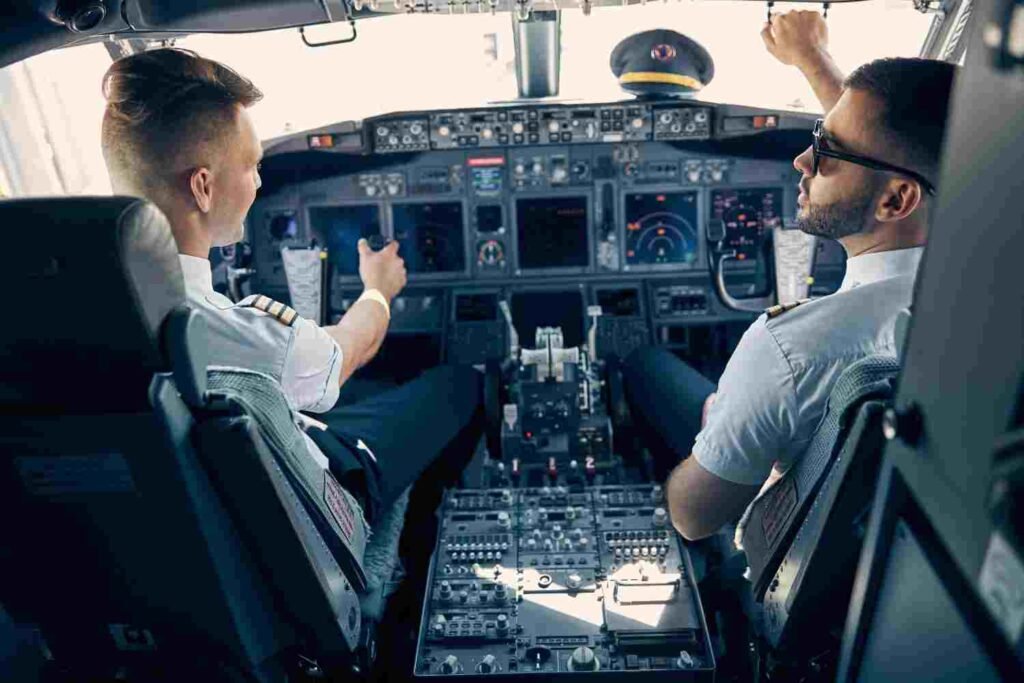
A co pilot is the second-in-command pilot on a commercial or private aircraft, working directly under the captain but holding a fully valid commercial pilot license. Airlines require every co pilot to complete extensive ground school, simulator training, and supervised flight hours before they are cleared to operate scheduled passenger flights. On many short-haul and long-haul routes, the captain and co pilot alternate flying duties, meaning the co pilot is often the one physically controlling the aircraft during takeoff or landing while the captain manages communication and oversight. This shared-responsibility model exists because modern aviation safety standards demand two fully qualified pilots in the cockpit at all times, ready to take command if the other becomes incapacitated. The co pilot therefore represents a critical layer of redundancy built into every commercial flight operation.
Key Responsibilities of a Co Pilot
The daily duties of a co pilot extend far beyond simply sitting in the right-hand seat. Before departure, the co pilot assists with flight planning, checks weather conditions, reviews fuel calculations, and completes pre-flight inspections alongside the captain. During the flight itself, the co pilot monitors instruments, communicates with air traffic control towers, and cross-checks the captain’s decisions to catch any potential errors early. This collaborative checking system is one of the main reasons commercial aviation remains statistically one of the safest modes of transport in the world.
Some of the core responsibilities a co pilot regularly handles include:
- Conducting pre-flight and post-flight aircraft inspections
- Operating radio communication with air traffic control
- Managing navigation systems and flight instruments
- Assisting with emergency procedures and checklists
- Sharing manual flight control duties with the captain
- Monitoring fuel consumption and weather changes mid-flight
Each of these tasks requires precision, since even a small oversight by a co pilot could affect the safety of hundreds of passengers.
Co Pilot vs Captain: A Quick Comparison
Although a co pilot and captain work as a team, their exact authority and responsibilities differ in certain situations. The table below highlights the main distinctions between the two roles within an airline cockpit.
| Aspect | Captain | Co Pilot |
|---|---|---|
| Command authority | Final decision-making power | Supports and cross-checks decisions |
| Seating position | Left seat | Right seat |
| Flight control | Flies certain legs | Flies alternate legs |
| Experience level | Higher flight hours required | Fewer hours than captain |
| Emergency role | Takes ultimate responsibility | Assists and can take over if needed |
This comparison shows that while a co pilot may have slightly less seniority, they are never treated as a passive participant. Their judgment and input are actively used throughout every phase of the flight.
Training and Qualifications Needed to Become a Co Pilot
Becoming a co pilot is not an overnight achievement; it typically takes years of disciplined study and flight training. Aspiring pilots usually begin with a private pilot license, followed by a commercial pilot license, and eventually an instrument rating that allows them to fly in low-visibility conditions. Many airlines also require candidates to complete a multi-crew cooperation course, since operating as a co pilot demands close teamwork with the captain rather than solo decision-making. Once hired, new co pilots undergo type-rating training specific to the aircraft model they will operate, followed by simulator sessions that recreate emergency scenarios such as engine failure or sudden weather changes.
Beyond technical flying skills, airlines evaluate candidates on medical fitness, psychological readiness, and communication ability, since a co pilot must remain calm and clear-headed under pressure. This layered training process ensures that by the time someone officially becomes a co pilot for a commercial airline, they are fully prepared to handle both routine flights and unexpected emergencies with confidence.
Skills That Make a Great Co Pilot
Technical knowledge alone does not make someone successful in this position; certain personal qualities matter just as much. Airlines look for candidates who combine strong technical understanding with excellent interpersonal skills, since the cockpit environment depends heavily on trust between the captain and co pilot.
Some of the most valued skills in this profession include:
- Clear and assertive communication during high-pressure moments
- Strong situational awareness of aircraft systems and surroundings
- Ability to make quick decisions without second-guessing under stress
- Willingness to speak up if something seems incorrect, even to a senior captain
- Physical stamina to handle long-haul flights and irregular schedules
A co pilot who lacks confidence in speaking up during critical moments can inadvertently create safety risks, which is why airlines place heavy emphasis on assertiveness training alongside technical skills.
Career Growth From Co Pilot to Captain
For most pilots, working as a co pilot is a stepping stone toward eventually becoming a captain. Airlines typically require a minimum number of flight hours, along with a clean safety record, before promoting a co pilot into the left-hand seat. This progression can take anywhere from five to fifteen years depending on the airline, aircraft type, and regional aviation demand. During this period, a co pilot gains exposure to diverse weather conditions, different aircraft models, and countless real-world scenarios that gradually build the judgment needed for command-level decisions.
Interestingly, some experienced pilots choose to remain as a co pilot throughout their careers rather than pursuing captaincy, often due to lifestyle preferences, reduced administrative responsibility, or personal choice regarding stress levels. Both paths are respected within the industry, and airlines value the steady presence of experienced co pilots just as much as newly promoted captains.
Challenges Faced by a Co Pilot
Despite the prestige associated with flying commercial aircraft, life as a co pilot comes with its own set of challenges. Irregular schedules, time zone changes, and extended periods away from home can affect personal life and sleep patterns significantly. Additionally, a co pilot must constantly balance confidence with humility, offering input when necessary while respecting the captain’s final authority during disagreements.
Mental fatigue is another challenge many co pilots quietly manage, especially on long-haul international routes where multiple time zones are crossed within a single trip. Airlines have increasingly recognized this issue and introduced stricter rest regulations, mandatory downtime, and fatigue-monitoring systems to protect both the co pilot and passengers. Despite these challenges, most professionals in this field describe the role as deeply rewarding, citing the sense of responsibility and the unique perspective of operating some of the most advanced machines ever built.
Conclusion
The role of a co pilot goes far beyond simply assisting the captain; it represents a vital safety mechanism built into every commercial flight. From handling half of all flying duties to catching potential errors before they escalate, a co pilot’s presence in the cockpit reflects years of rigorous training, technical skill, and personal discipline. Whether viewed as a stepping stone toward captaincy or a fulfilling career on its own, the position demands constant vigilance, strong communication, and genuine passion for aviation. As air travel continues to grow globally, the demand for well-trained, dependable co pilots will only increase, reinforcing just how essential this role truly is to the future of safe and efficient flying.