
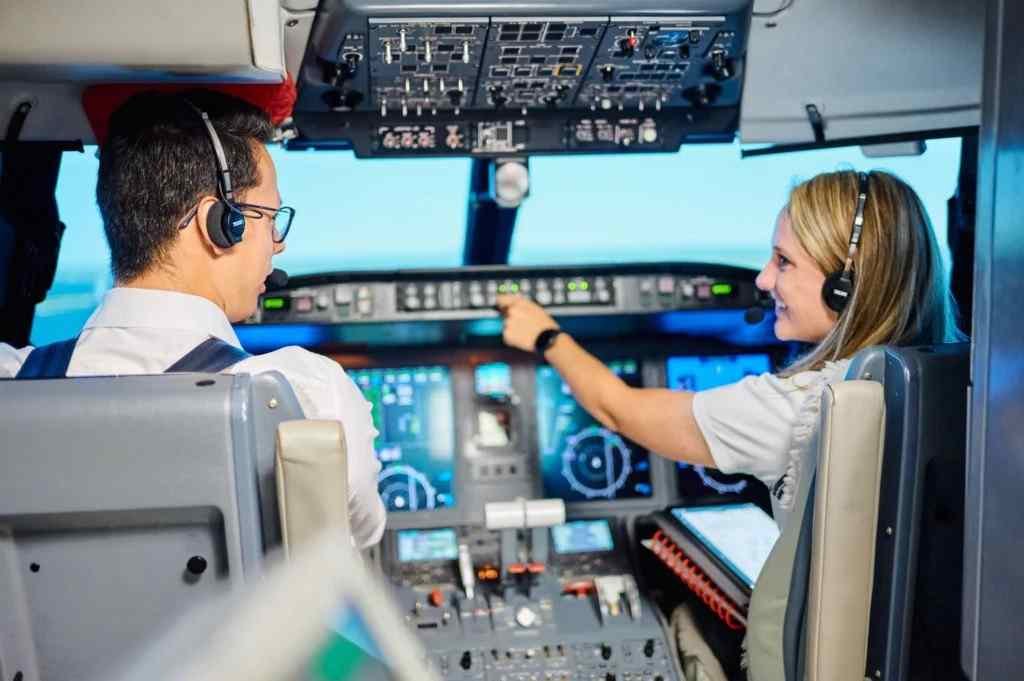
Becoming a pilot is one of the few careers where passion alone isn’t enough; it demands years of disciplined study, significant financial investment, and a willingness to be tested repeatedly, both mentally and physically. Pilot training is not a single course someone completes in a semester. It’s a layered progression of licenses, ratings, and flight hours, each building on the last, each carrying its own challenges and rewards. For someone standing at the very beginning of this path, understanding the full scope of what lies ahead can mean the difference between a smooth, well-planned journey and one filled with avoidable frustration. This guide walks through the entire process in detail, from the earliest classroom sessions to the moment a pilot finally sits in the left seat of a commercial aircraft.
Why People Choose This Demanding Path
The motivations behind pursuing pilot training vary widely, but they usually share a common thread: a fascination with flight that refuses to fade. Some students grew up watching aircraft overhead and never lost that curiosity. Others come from military backgrounds, transitioning their skills into civilian aviation. A growing number arrive as career changers, leaving unrelated industries because they crave something more dynamic than a desk job. Regardless of the starting point, everyone entering pilot training quickly learns that motivation alone won’t carry them through; the profession demands consistent effort, financial discipline, and genuine love for problem-solving under pressure. Those who succeed tend to be the ones who treat early setbacks as information rather than discouragement, adjusting their approach instead of questioning their entire decision.
Ground School: The Academic Backbone
Before ever taking real control of an aircraft, students spend considerable time in ground school, absorbing theoretical knowledge that shapes every decision made in the cockpit later. This includes aerodynamics, aircraft systems, meteorology, air law, navigation, and human performance limitations. Many newcomers underestimate how academically intense this phase is, expecting pilot training to be primarily hands-on. In reality, a pilot who doesn’t understand why an aircraft stalls, how pressure systems generate turbulence, or how airspace classifications affect routing will struggle regardless of natural flying talent. Ground school typically culminates in written examinations, and these scores often carry weight later when applying to airlines or advanced training programs, making early academic discipline surprisingly consequential for long-term career prospects.
The Core Stages of Pilot Training Explained
Pilot training unfolds through a series of clearly defined certifications, each unlocking new privileges and responsibilities. Skipping stages isn’t possible, and rushing through them typically backfires during checkrides or, worse, in real flying situations later.
- Private Pilot License (PPL): the foundational certificate allowing solo and passenger flights under visual conditions
- Instrument Rating (IR): trains pilots to operate solely by cockpit instruments in poor visibility
- Commercial Pilot License (CPL): permits pilots to be paid for flying-related work
- Multi-Engine Rating: extends competency to aircraft with more than a single engine
- Certified Flight Instructor (CFI): optional but common, allowing graduates to teach while building hours
- Airline Transport Pilot License (ATPL): the highest civilian certification, required for airline captains
Each of these stages within pilot training introduces new skills and new pressures. The instrument rating, in particular, is often described as the most mentally taxing, since it requires overriding natural instincts about balance and orientation in favor of trusting instruments completely.
Selecting a Flight School Without Regret
The school chosen for pilot training shapes nearly everything that follows, from the quality of instruction to future employment opportunities. Some academies run intensive, full-time programs designed for rapid completion, often in partnership with regional airlines seeking a steady pipeline of new pilots. Others offer flexible, part-time schedules better suited to students balancing jobs or family responsibilities. Before enrolling, prospective students should examine instructor experience, aircraft maintenance records, fleet size, and checkride pass rates. A school with an aging fleet or high instructor turnover can quietly extend training timelines through cancellations and inconsistency. Visiting the facility in person, speaking directly with current students, and requesting a breakdown of all potential fees—not just advertised tuition—prevents unpleasant surprises once training is already underway.
A Transparent Look at Costs
Financial planning is one of the most underestimated aspects of pilot training. Advertised program costs rarely reflect what students actually spend once retests, additional flight hours, and incidental expenses are included.
| Training Component | Typical Cost Range (USD) | Common Hidden Additions |
|---|---|---|
| Private Pilot License | 8,000 – 15,000 | Extra hours for weak maneuvers |
| Instrument Rating | 10,000 – 18,000 | Weather-related lesson delays |
| Commercial Pilot License | 15,000 – 30,000 | Repeated checkride attempts |
| Multi-Engine Rating | 5,000 – 10,000 | Aircraft rental surcharges |
| Certified Flight Instructor | 4,000 – 8,000 | Study materials and exam fees |
| Airline Transport Pilot License | 20,000 – 35,000 | Simulator session overages |
Students who budget an additional 15 to 20 percent beyond quoted totals tend to navigate pilot training with far less financial stress than those who assume every lesson will go exactly as scheduled.
The Expanding Role of Simulation Technology
Flight simulators have fundamentally changed how pilot training is delivered. Emergency scenarios that would be reckless to practice in a real aircraft—engine failures, severe icing, sudden decompression—can be rehearsed repeatedly in a controlled, risk-free environment. Modern simulators replicate cockpit vibration, instrument behavior, and even subtle pressure changes during climbs and descents, giving students an experience remarkably close to genuine flight. Because simulator hours cost significantly less than actual flight time, many regulatory authorities now permit a portion of required training hours to be completed this way. This shift has made thorough, repetition-heavy pilot training more financially accessible, particularly for instrument and multi-engine ratings where precision matters more than raw stick-and-rudder feel.
Physical and Psychological Demands
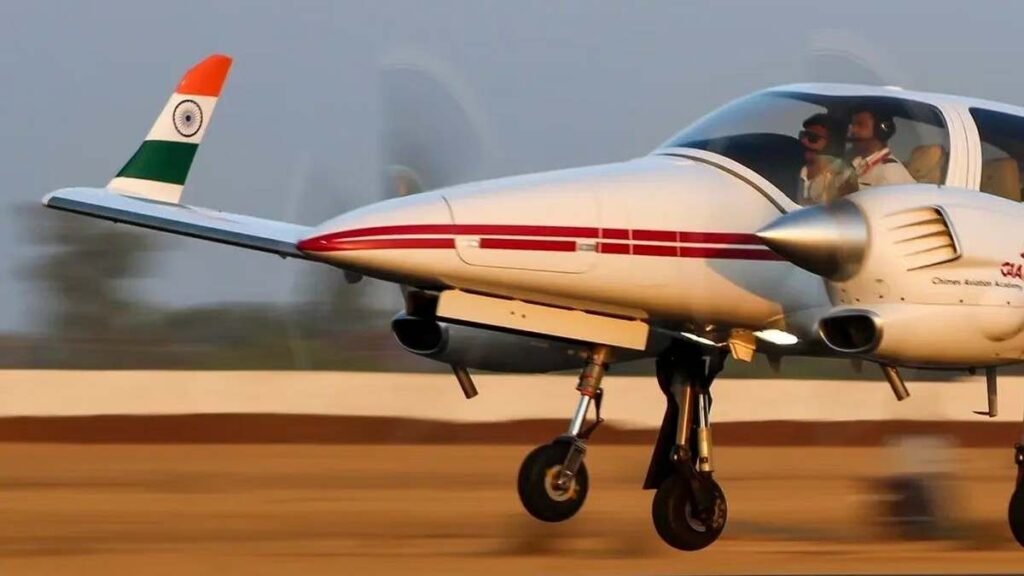
Flying isn’t purely an intellectual exercise; the body and mind must meet specific standards throughout pilot training. Medical examinations assess vision, hearing, cardiovascular health, and neurological function, with certain conditions requiring further testing or, in rare cases, disqualifying candidates entirely. Beyond physical fitness, psychological resilience plays an equally critical role. Pilots must remain composed during emergencies, communicate clearly under pressure, and sustain focus across long, sometimes monotonous flights. Modern training programs increasingly incorporate crew resource management, teaching students how to collaborate effectively with co-pilots and air traffic controllers. This emphasis exists because aviation safety research has repeatedly shown that communication breakdowns, not mechanical failure, cause a disproportionate share of incidents.
Common Obstacles Students Encounter
Nearly every trainee hits rough patches somewhere along the way, and recognizing these obstacles in advance can ease the psychological burden considerably. Weather delays frustrate almost everyone, since flight lessons depend on conditions outside anyone’s control, sometimes stretching a planned six-month program into nine or ten. Financial strain affects self-funded students especially hard, often forcing difficult choices between pausing training and taking on additional work. Checkride anxiety is another near-universal experience, as practical exams require demonstrating competence live, with no scripted safety net.
Building genuine confidence, rather than simply memorizing procedures, tends to ease this pressure most effectively. Students who log consistent practice hours, seek honest feedback, and treat mistakes as data points rather than failures generally progress through pilot training more steadily than those who become discouraged after a single rough lesson.
Building Hours After Certification
Earning a commercial license doesn’t immediately open airline doors. Most graduates spend a year or more accumulating flight hours through instructing, banner towing, aerial survey work, or charter flying before meeting airline minimums. This bridge period is often underpaid and repetitive, yet it’s essential groundwork. Many pilots find unexpected value here, discovering a passion for teaching or a preference for smaller, more varied flying work over the standardized routines of commercial airline schedules. This stage of the broader pilot training journey teaches patience as much as skill, since career advancement in aviation rarely rewards impatience or shortcuts.
Career Paths Beyond the Airline Cockpit
While commercial airline flying remains the most visible outcome, it’s far from the only destination available to licensed pilots. Cargo aviation offers different schedules and route structures than passenger flying. Aerial firefighting and agricultural flying demand specialized low-altitude skills. Corporate and charter flying provide flexibility and variety that appeals to pilots uninterested in long-haul routines. Flight instruction remains a popular path as well, allowing experienced pilots to shape the next generation while continuing to fly regularly. Each of these directions builds directly on the foundation established during initial pilot training, proving that the core certifications open far more doors than most newcomers initially realize.
What Makes Someone Succeed in This Field
Success in pilot training rarely correlates with natural talent alone. Instructors consistently note that the students who progress most steadily are those who show up prepared, ask questions without embarrassment, and treat every lesson—good or bad—as useful information. Perfectionism can actually slow progress, since aviation rewards steady competence over flawless performance in early stages. Equally important is financial and emotional preparation; students who enter the program expecting delays, extra costs, and occasional failed attempts tend to handle these realities far better than those caught off guard. Ultimately, persistence outweighs raw aptitude in nearly every case observed across flight schools.
Conclusion
Pilot training is a demanding, multi-year undertaking that tests far more than someone’s ability to steer an aircraft. It requires academic discipline in ground school, financial planning that accounts for hidden costs, physical and psychological resilience, and the patience to push through weather delays, failed checkrides, and long stretches of hour-building work after certification. Yet for those genuinely drawn to aviation, few careers offer a comparable combination of technical mastery, continuous learning, and personal achievement. Understanding the realistic timeline, true costs, and common challenges before enrolling allows aspiring pilots to approach the process with clear eyes rather than idealized expectations. Those who commit fully, treat setbacks as part of the learning curve, and remain patient through the slower stages of pilot training ultimately emerge as confident, capable aviators ready to take on whatever the skies demand of them.