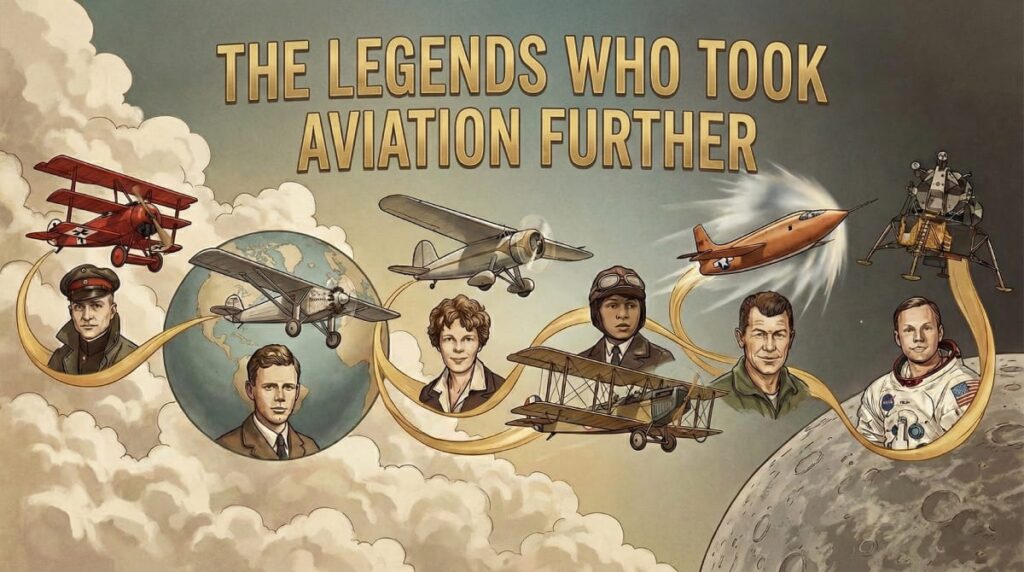
Some pilots are remembered for the aircraft they flew. Others are remembered because their flying changed the world. The rare few sit in both categories, their names becoming inseparable from the story of aviation itself.
These aren’t just skilled aviators.
They’re cultural figures. Benchmarks. Legends.
Chuck Yeager — The man who broke the sound barrier
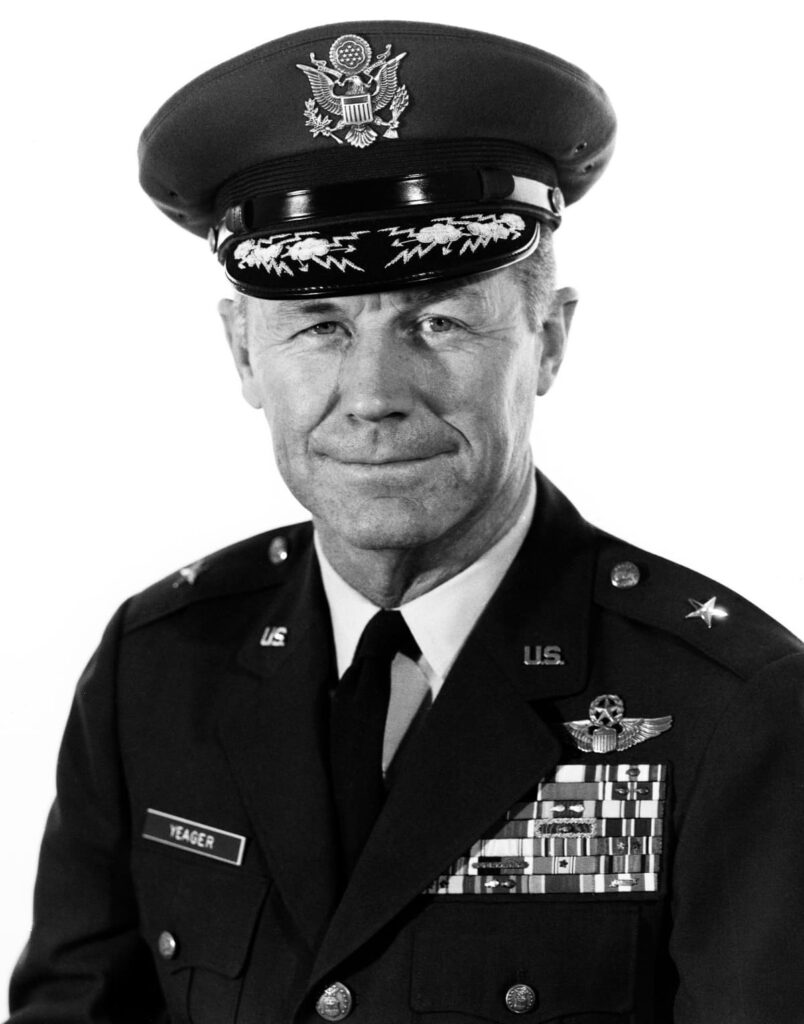
Before 1947, Mach 1 was a wall. Theoretically possible. Practically untested. Genuinely feared.
Chuck Yeager changed that in the Bell X-1, flying faster than sound in a rocket-powered aircraft that barely looked controllable by modern standards. What made the achievement more remarkable was his approach. No theatrics. No mythology while it was happening. Just disciplined flying and quiet confidence.
He went on to shape generations of test pilots, not just through skill, but through attitude. Precision mattered. Ego didn’t. That mindset influenced flight test culture for decades.
Amelia Earhart — More than a mystery
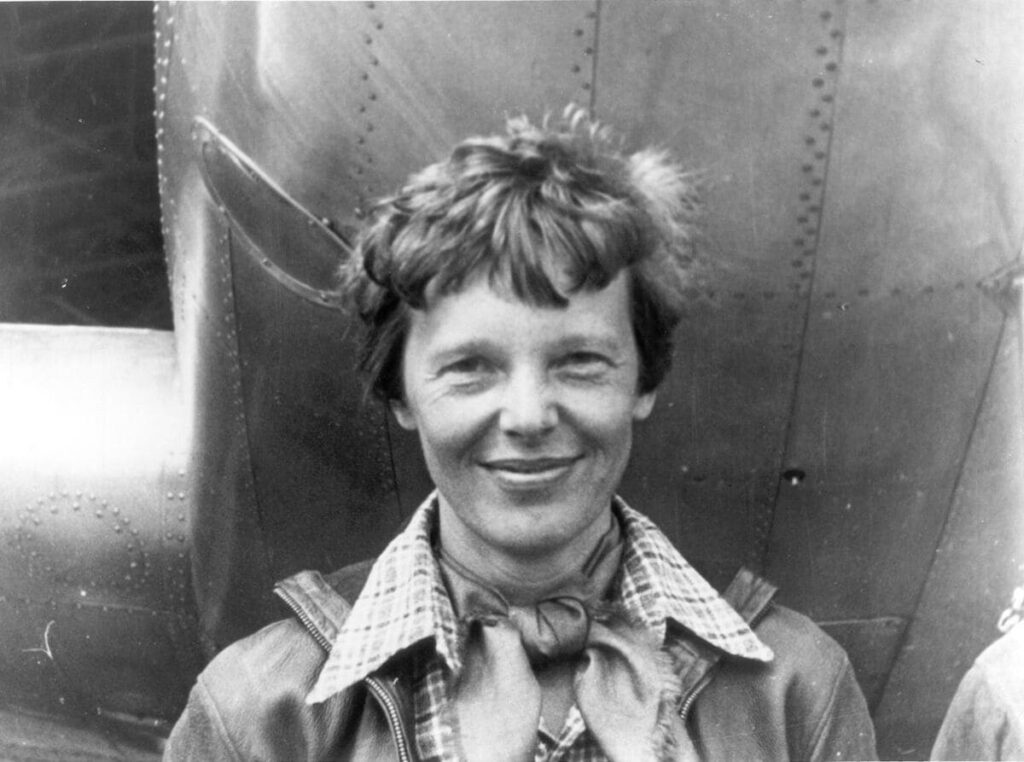
It’s easy to reduce Amelia Earhart’s legacy to her disappearance. That does her a disservice.
She was a serious pilot in an era that actively discouraged women from aviation. She set records. She flew routes others hadn’t attempted. She understood the power of public perception and used it to pull aviation into mainstream attention.
Her aircraft mattered. Her routes mattered. But what truly endured was what she represented: credibility earned in the cockpit, not granted by novelty.
Charles Lindbergh — The flight that shrank the world
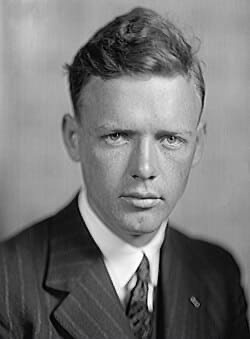
The solo nonstop crossing of the Atlantic in 1927 wasn’t just a personal achievement. It was a cultural shockwave.
Lindbergh’s flight proved long-distance air travel was viable. Before it, aviation was adventurous. After it, aviation became inevitable. Airlines formed. Public confidence surged. Investment followed.
The Spirit of St. Louis was fragile and uncomfortable. The flight was exhausting and dangerous. But the impact was permanent.
Bessie Coleman — The pilot who refused to accept exclusion
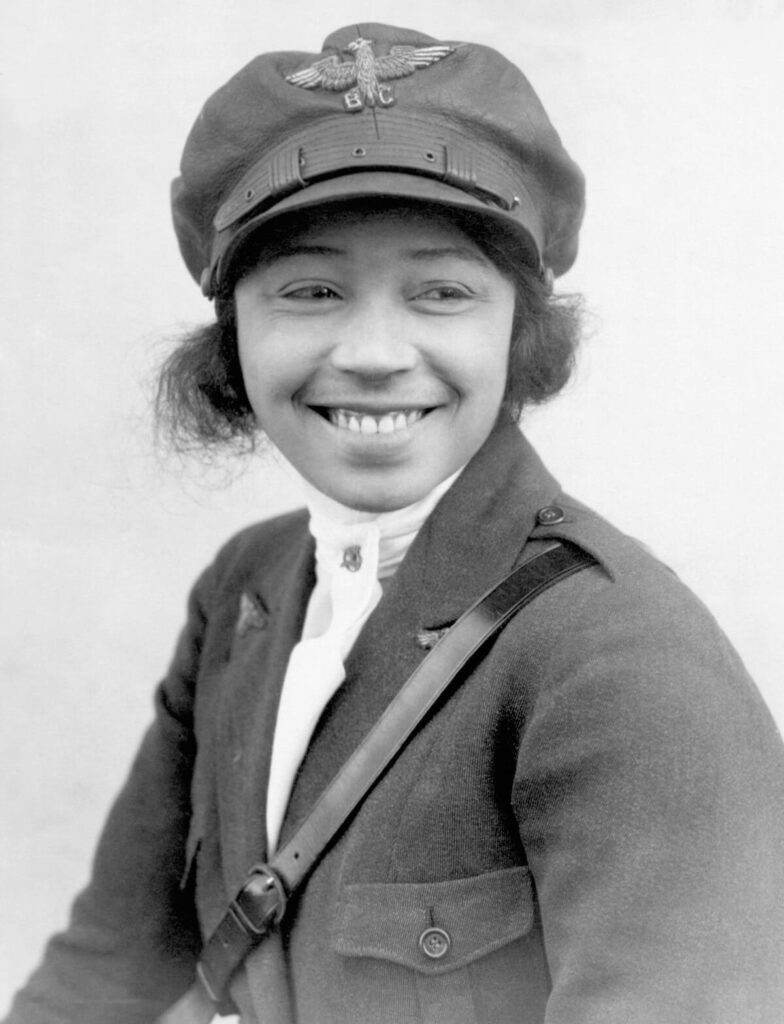
Bessie Coleman wanted to fly at a time when both race and gender worked against her. American flight schools refused to admit her, so she taught herself French and trained in Europe instead.
She became the first Black woman to earn a pilot’s license. Then she used her flying career to inspire others, speaking openly about equality while performing in airshows across the United States.
Her legacy isn’t built on combat or records. It’s built on access. She expanded who aviation belonged to.
That kind of influence outlasts airframes.
Manfred von Richthofen — The original air combat icon
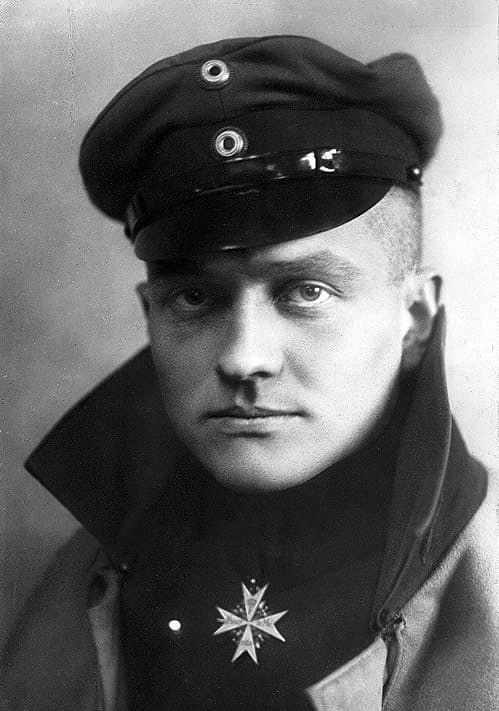
The Red Baron wasn’t just a skilled fighter pilot. He was the first true aviation celebrity.
In World War I, aerial combat was new, chaotic, and deeply personal. Richthofen’s success, combined with his distinctive red aircraft, created a recognizable identity in an era before modern media.
He shaped how fighter pilots were perceived: elite, individual, mythic. That image still echoes through aviation culture today.
Neil Armstrong — The calm voice that carried humanity
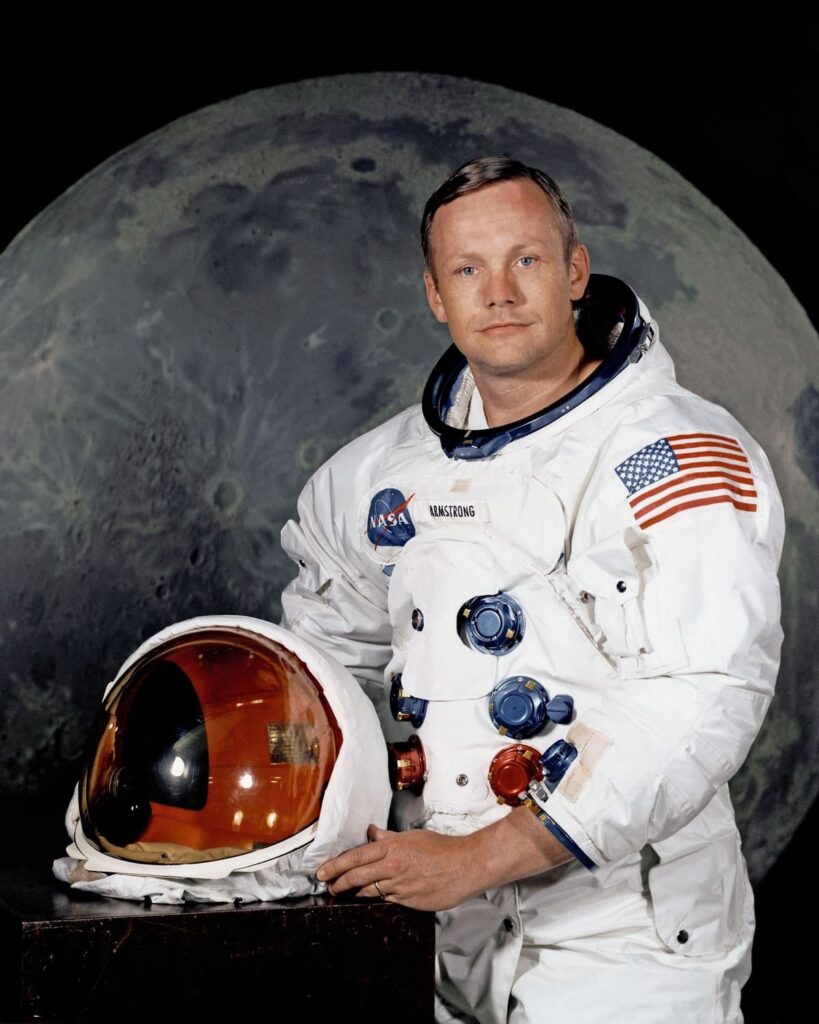
Armstrong’s legacy extends far beyond piloting skill. But it’s worth remembering that before he was an astronaut, he was an exceptional test pilot.
The Moon landing wasn’t theater. It was precision flying under extreme pressure, with real-time decision-making that mattered. When the lunar module’s computer data didn’t match the landing site, Armstrong manually flew the spacecraft to safety.
That moment wasn’t about symbolism. It was about a pilot doing exactly what pilots do when systems reach their limits: take control.
Why these pilots still matter
None of these individuals became icons simply because they flew well. They became icons because their flying shifted perception. Of distance. Of possibility. Of who could belong in aviation. Of what technology could realistically achieve.
They didn’t just accumulate hours.
They changed direction.
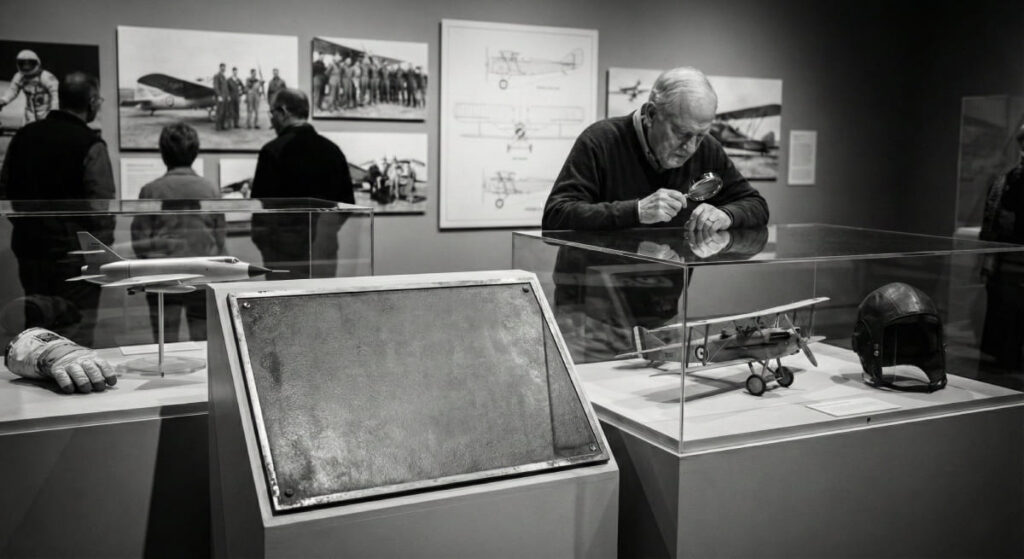
That’s why they remain studied by enthusiasts, historians, and collectors alike. Not because of nostalgia, but because their decisions, risks, and discipline still offer lessons. A museum-quality replica of the aircraft they flew often carries deeper meaning for that reason. It isn’t about the machine alone. It’s about preserving the moment when skill and circumstance aligned and history bent slightly as a result.
Icon status isn’t about fame. It’s about impact.
Plenty of pilots have been famous. Very few have been transformative.
The difference is impact.
Did their flight change what people believed was possible?
Did it alter how aviation developed afterward?
Did it expand who aviation belonged to?
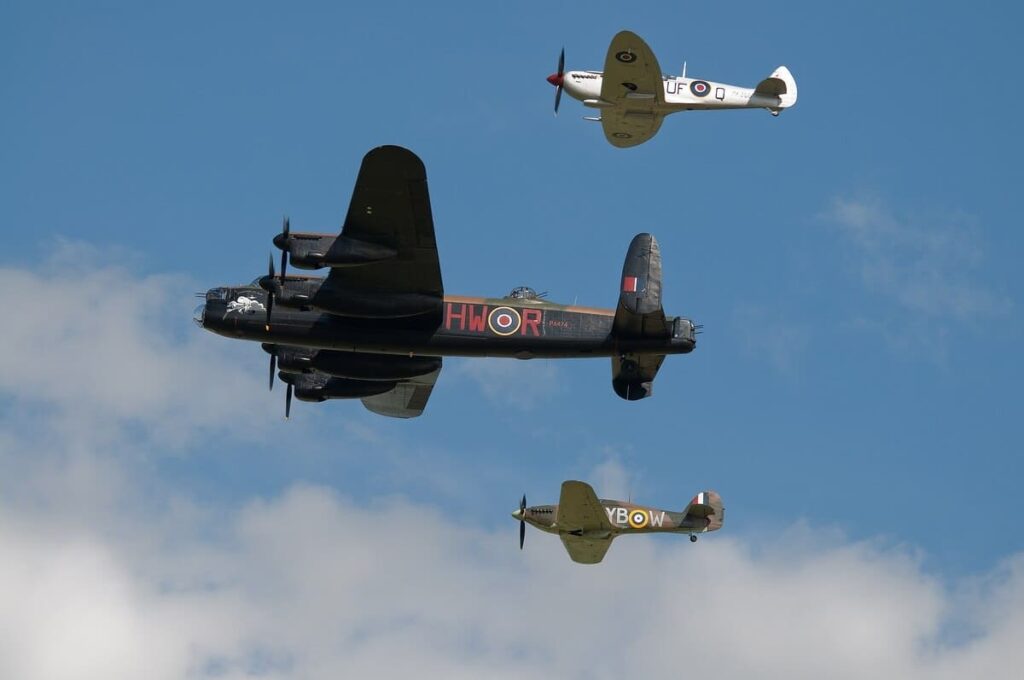
When the answer is yes, the pilot outgrows biography and becomes part of aviation’s foundation.
That’s what separates great pilots from legendary ones.
Because long after the aircraft are grounded and the airfields are quiet, the decisions they made in the cockpit are still shaping the world that flies above us.